
couples therapy for betrayal trauma
Couples Therapy for Betrayal Trauma: When It Helps and When to Wait
By Rising Son Team, Coach led men's program

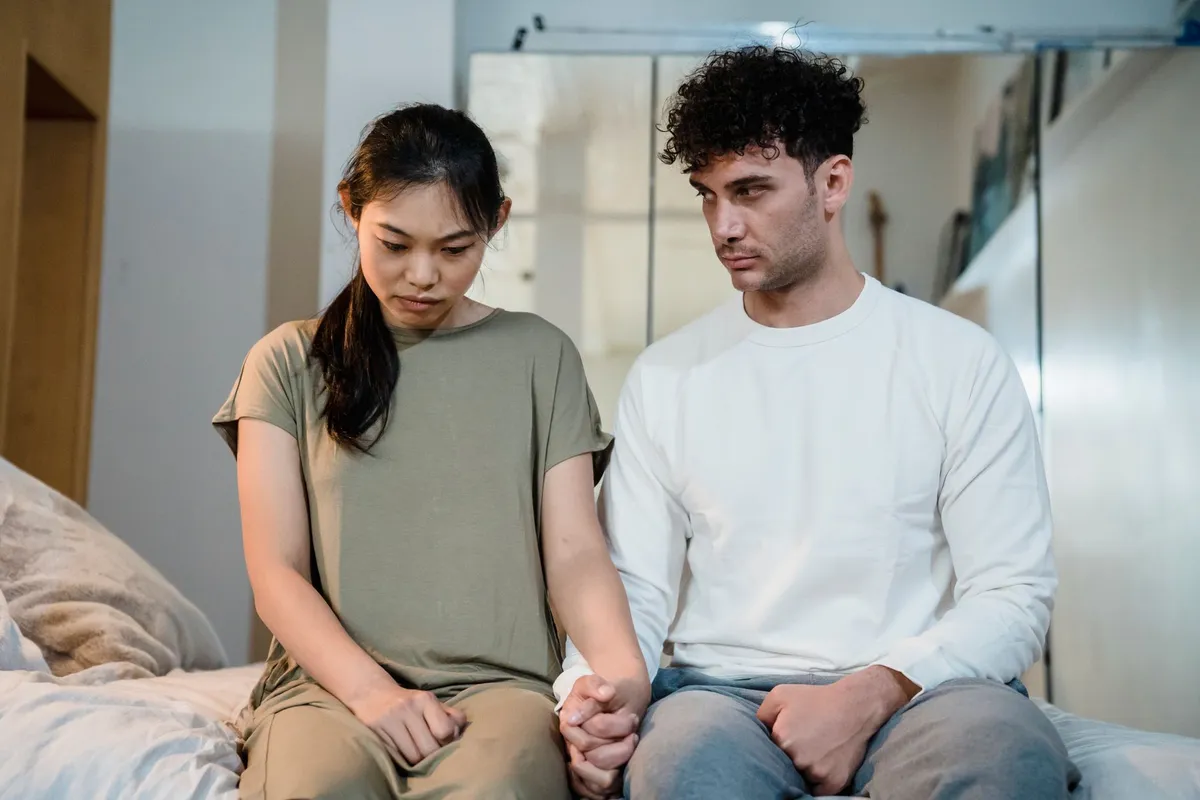
Photo by SHVETS production on Pexels
Photo by SHVETS production on Pexels
Couples therapy for betrayal trauma can genuinely help, but the timing decides whether it heals or does more damage. Done at the right moment, joint work rebuilds communication and slowly restores trust. Done too early, while the betrayed partner is still in shock and the one who caused it is still hiding or half-honest, it can re-injure the person who was hurt and hand the other a stage to perform remorse he has not lived. So the real question is not whether couples therapy works. It is when.
This is written for the couple trying to decide what to do next, from two therapists who have worked with men in this exact spot for years. Here is the honest version of when couples therapy is the right tool, when it is not yet, and what has to be true first.
Betrayal trauma is what happens when the person you rely on for safety is the one who hurt you. It lands in the body, not just the mind, with intrusive thoughts, hypervigilance, and swings between rage and numbness. In a relationship, that means one partner is carrying a genuine trauma response while the other is often defensive, ashamed, or still managing what they will admit. Two people in those two states, put in a room together without a plan, do not automatically heal. Sometimes they just wound each other faster.
Yes, when the conditions are right. Approaches like Emotionally Focused Therapy, which works on the emotional bond, and the Gottman method, which sequences trust repair, are built for exactly this. In practice, good couples work does a few specific jobs:
But every one of those benefits depends on a foundation being in place first. Without it, the same sessions just spin, and the couple concludes that therapy does not work when what actually failed was the timing.
This is the part most articles skip, and it is the most important thing here. Couples therapy works after a few things are true, not before them:
A common version we see: a couple rushes into weekly joint sessions days after discovery, hoping to fix it fast, and it goes backward, because none of the above was in place. The same couple, six months later, with individual work underway and the truth out, finds couples therapy genuinely helpful. Same tool, different timing, opposite result.
Here is the opinion I will stake my name on. Couples therapy is a container, not the change itself. It is where two people who are each doing their own work rebuild connection. It is not where a man who is avoiding his own work magically becomes safe. Trust does not come back because he said the right thing in a session. It comes back because he becomes a man with nothing to hide and stays that man long enough that his partner can feel it. No couples therapist can manufacture that for him.
That is why his individual work matters at least as much as the joint sessions. If the betrayal involved compulsive behavior, secrecy, or an affair, he needs his own honest work, often with other men who will not let him hide. We cover what that looks like in our piece on therapy for a cheating husband. The couples room can rebuild the bridge, but only after he has stopped setting fire to it.
Step back from joint sessions if the lying is still going, if the betrayed partner leaves every session more shattered rather than slowly steadier, or if the sessions keep turning into a courtroom where nothing settles. None of that means you failed. It usually means the order is off, and one or both of you needs individual work before the couples work can hold. The Gottman Institute's Trust Revival Method lays out a sequence worth reading, and the American Psychological Association is a level-headed starting point on where therapy fits.
If you want to understand the injury itself before deciding anything, start with what betrayal trauma in marriage actually is. And if he is ready to stop hiding and do his part, Rising Son is the men's work built for exactly that. We are two licensed therapists who are brothers, and we have run in-person work with men since 2017. You can see who this work is for and reach out to one of us. Couples therapy can rebuild a lot, in the right order, at the right time, once the truth is finally in the room.
Weekly groups online, and a three day retreat in Idaho. If there is a man in your life who is ready to start, the video walks through exactly what he would be walking into.